SeaLearn Academy

Value-Added Courses

Liquid Cargo Oil Handling Simulator (LICOHS)

This course provides practical training on handling oil cargo operations using a dedicated simulator. Trainees develop essential skills by learning to:
^
Monitor and control cargo loading, discharging, and ballasting operations
^
Manage inert gas systems, tank cleaning, and stripping operations
^
Understand and respond to emergency scenarios such as spillage, fire, or pump failure
^
Interpret cargo plans, monitor tank pressures, and track temperature to ensure safe and efficient cargo handling

Liquid Cargo Gas Handling Simulator (LICGHS)
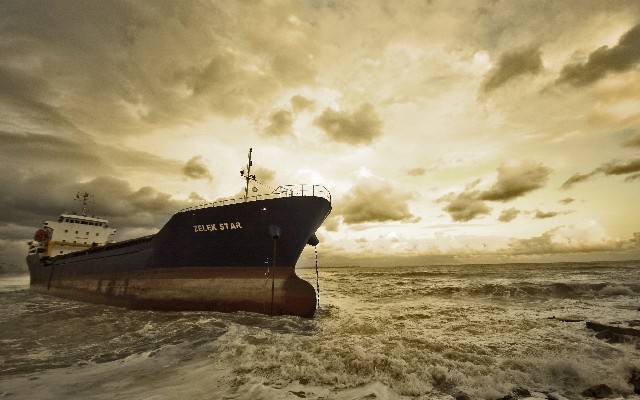
LICGHS simulates the handling of liquefied gases such as LPG or LNG under high pressure or cryogenic conditions. Trainees develop essential skills by practising:
^
Operating reliquefaction systems and gas compressors
^
Monitoring cargo tank insulation, temperature, and pressure control
^
Managing cool-down procedures, cargo loading/unloading, and vapour return
^
Responding to gas-specific hazards and emergency shutdowns

Liquid Cargo Gas Handling Simulator (LICGHS)
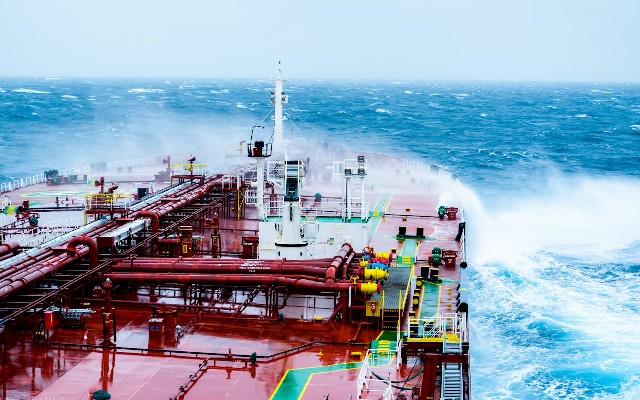
LICGHS simulates the handling of liquefied gases such as LPG or LNG under high pressure or cryogenic conditions. Trainees develop essential skills by practising:
^
Operating reliquefaction systems and gas compressors
^
Monitoring cargo tank insulation, temperature, and pressure control
^
Managing cool-down procedures, cargo loading/unloading, and vapour return
^
Responding to gas-specific hazards and emergency shutdowns

Liquid Cargo Chemical Handling Simulator (LICCHS)

This training covers the complex nature of chemical cargo operations, where multiple cargoes and stringent safety protocols are involved. Key training aspects include:
^

Safe handling of toxic, flammable, or corrosive substances

^

Operation of tank heating systems, nitrogen blanketing, and stripping systems

^

Prevention of cargo contamination and chemical reactions

^

Implementation of cargo segregation plans and management of closed loading systems

International Safety Management (ISM) Code

The ISM Code, incorporated within the SOLAS Convention, establishes the international standard for safe ship operation and pollution prevention. This training program:
^
Explains the structure and function of a Safety Management System (SMS)
^
Trains participants in roles of Designated Person Ashore (DPA), and onboard personnel
^

Covers audit procedures, risk assessments, management of non-conformities, and emergency preparedness

^

Is essential for personnel involved in compliance, documentation, and fleet safety management

Safety Officer Course

This course prepares designated crew members to serve as Safety Officers onboard, responsible for ensuring the effective implementation of health, safety, and environmental policies. The training includes:
^

Roles and responsibilities in accordance with ILO and ISM regulations

^

Techniques for accident investigation and hazard identification

^

Conducting comprehensive risk assessments and managing permit-to-work systems

^

Leading safety drills, toolbox talks, and routine onboard inspections

Safety Officer Course
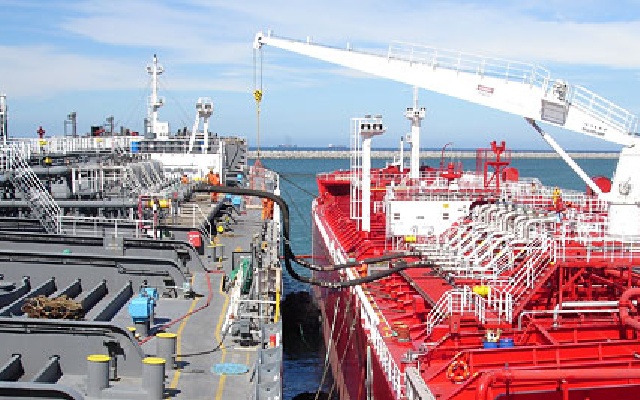
This course prepares designated crew members to serve as Safety Officers onboard, responsible for ensuring the effective implementation of health, safety, and environmental policies. The training includes:
^
Roles and responsibilities in accordance with ILO and ISM regulations
^
Techniques for accident investigation and hazard identification
^
Conducting comprehensive risk assessments and managing permit-to-work systems
^
Leading safety drills, toolbox talks, and routine onboard inspections

Ship-to-Ship (STS) Transfer

STS operations involve transferring cargo between two ships positioned alongside each other, either at sea or in port, often under challenging and dynamic conditions. This training provides:
^

In-depth knowledge of mooring arrangements, fendering techniques, and precise ship positioning

^

Comprehensive safety procedures during the transfer of oil, gas, and chemical cargoes

^

Emergency disconnection protocols, spill control measures, and effective communication practices

^

Familiarity with the regulatory framework, including OCIMF STS guidelines and international maritime standards
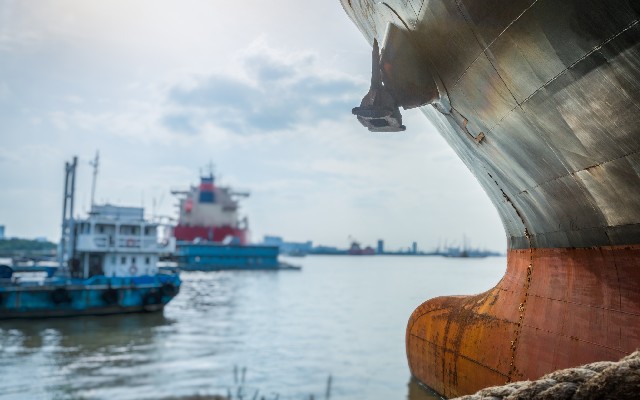
Berthing, Un-berthing & Anchoring

This practical seamanship training focuses on the safe manoeuvring of vessels during berthing, unberthing, and anchoring operations. Key training elements include:
^

Effective use of tugs, thrusters, mooring lines, and anchoring gear

^

Understanding the impact of wind and current, pilotage coordination, and bridge team responsibilities

^

Bridge resource management practices during high-risk port operations
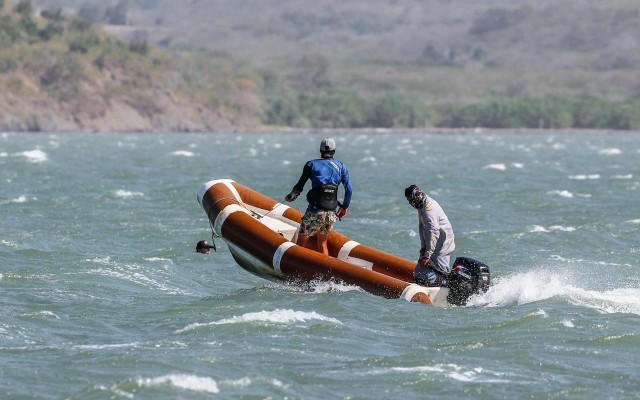
Power Driven Small Craft (PDSC)

This course provides foundational skills for safely operating small powered boats, including rescue boats, tenders, and workboats. Key training components include:
^

Conducting pre-departure checks, boat launching, manoeuvring, and recovery

^

Understanding rules of the road for small craft, navigational safety, and performing emergency drills

^

Proficient use of VHF radio, flares, and life-saving appliances
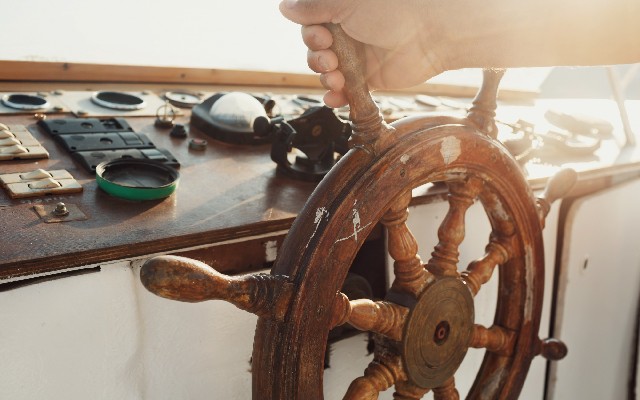
Vessel Steering, Lookout and Rules of the Road (ROR)

This essential navigation and watchkeeping course covers:
^

Correct execution of helm orders and appropriate responses

^

Maintaining a proper lookout using sight, sound, and radar

^

Comprehensive understanding and application of the COLREGs (Collision Regulations)

^

Effective interaction with bridge equipment such as compass, radar, and autopilot
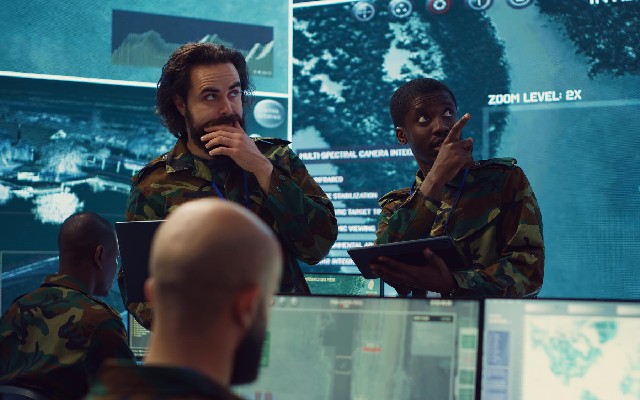
Incident Investigation

This course equips maritime personnel with the essential tools and techniques to effectively investigate onboard accidents, near misses, and non-conformities. Participants will learn:
^

Root cause analysis methods such as the 5 Whys and fishbone diagrams

^

Techniques for interviewing witnesses and collecting physical and documentary evidence

^

How to write clear, accurate, and regulatory-compliant incident reports

^

Implementation of corrective and preventive actions (CAPA) to avoid recurrence

Risk Assessment

This course trains seafarers to identify hazards and evaluate risks across various shipboard operations. It includes:
^

Use of risk matrices and likelihood/severity scoring

^

Preparation of Job Safety Analyses (JSAs) and management of Permit-to-Work systems

^

Application of risk control measures and continuous risk monitoring

^

Alignment with the ISM Code and company Safety Management Systems (SMS)
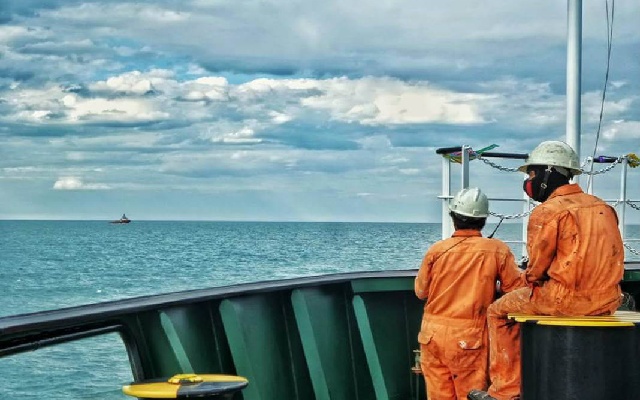
Risk Assessment

This course trains seafarers to identify hazards and evaluate risks across various shipboard operations. It includes:
^
Use of risk matrices and likelihood/severity scoring
^

Preparation of Job Safety Analyses (JSAs) and management of Permit-to-Work systems

^
Application of risk control measures and continuous risk monitoring
^

Alignment with the ISM Code and company Safety Management Systems (SMS)

Commercial Knowledge

This non-technical course builds a strong foundation in the commercial aspects of shipping operations. Key topics include:
^
Understanding charter parties, including time and voyage charters, demurrage, and laytime
^
Familiarity with essential shipping documentation such as Bills of Lading and cargo manifests
^
Analysis of freight rates, bunker costs, and voyage estimation methods
^
Overview of contracts, claims handling, and managing commercial risks

Surface Preparation and Painting

This practical course covers essential techniques for corrosion control and coating maintenance, critical for preserving hull integrity and extending vessel longevity. Training includes:
^

Use of mechanical and manual tools for surface preparation

^

Understanding paint systems, coating types, and proper application techniques

^

Safety precautions including ventilation, personal protective equipment (PPE), and Material Safety Data Sheet (MSDS) handling

^

Identification of coating defects and adherence to repainting standards

Ratings Skill Enhancement

Designed to upgrade the seamanship and technical skills of ratings, this comprehensive course includes:
^

Mooring operations, splicing, rope work, and lashing techniques

^

Basic firefighting, first aid, and rescue procedures

^

Assistance in bridge and engine room operations

^

Emphasis on professional conduct, effective communication, and teamwork

Large Vessel Ship Handling

This simulator-based course is designed to enhance the manoeuvring and control skills required for handling large vessels such as VLCCs, LNG carriers, and cruise ships. The training includes:
^

Awareness of pivot points, turning circles, and stopping distances

^

Effective use of tugs, bow thrusters, and engines for safe docking and undocking

^

Understanding the effects of wind, current, and squat on large vessels

^

Emergency response procedures and berthing techniques in restricted waters
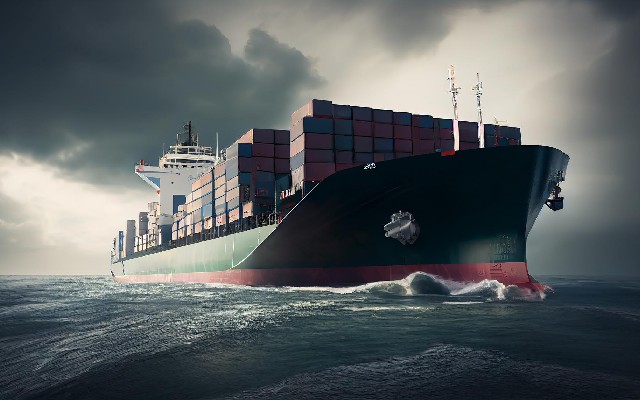
Large Vessel Ship Handling

This simulator-based course is designed to enhance the manoeuvring and control skills required for handling large vessels such as VLCCs, LNG carriers, and cruise ships. The training includes:
^

Awareness of pivot points, turning circles, and stopping distances

^
Effective use of tugs, bow thrusters, and engines for safe docking and undocking
^
Understanding the effects of wind, current, and squat on large vessels
^

Emergency response procedures and berthing techniques in restricted waters
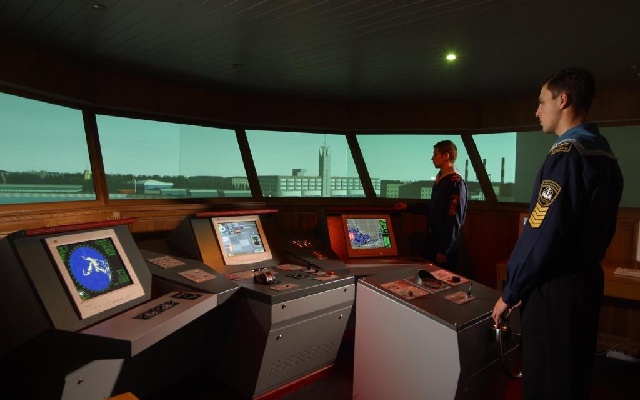
Bridge Team and Resource Management (BRM) – Operational Level

BRM develops essential team communication, leadership, and situational awareness skills for effective bridge operations. Course content includes:
^

Clear definition of bridge team roles and decision-making models

^

Fatigue, stress, and workload management to maintain operational performance

^

Communication protocols, including briefing and debriefing techniques

^

Real-time simulator scenarios to practice and enhance bridge teamwork

Port State Control (PSC) and SIRE 2.0

This course prepares vessels and crew for inspections by Port State Control authorities and oil majors under the SIRE 2.0 vetting program. Training covers:
^

Understanding PSC inspection procedures, common detention causes, and documentation readiness

^

Familiarity with the SIRE 2.0 inspection regime, key performance indicators (KPIs), and Human Element focus

^

Preparing and maintaining inspection checklists and conducting onboard drills

^

Analysis of case studies highlighting common deficiencies and preventive measures
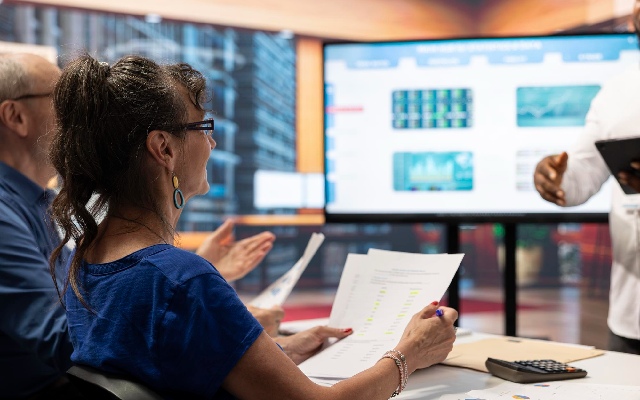
Port State Control (PSC) and SIRE 2.0

This course prepares vessels and crew for inspections by Port State Control authorities and oil majors under the SIRE 2.0 vetting program. Training covers:
^

Understanding PSC inspection procedures, common detention causes, and documentation readiness

^

Familiarity with the SIRE 2.0 inspection regime, key performance indicators (KPIs), and Human Element focus

^
Preparing and maintaining inspection checklists and conducting onboard drills
^

Analysis of case studies highlighting common deficiencies and preventive measures

error: Content is protected !!